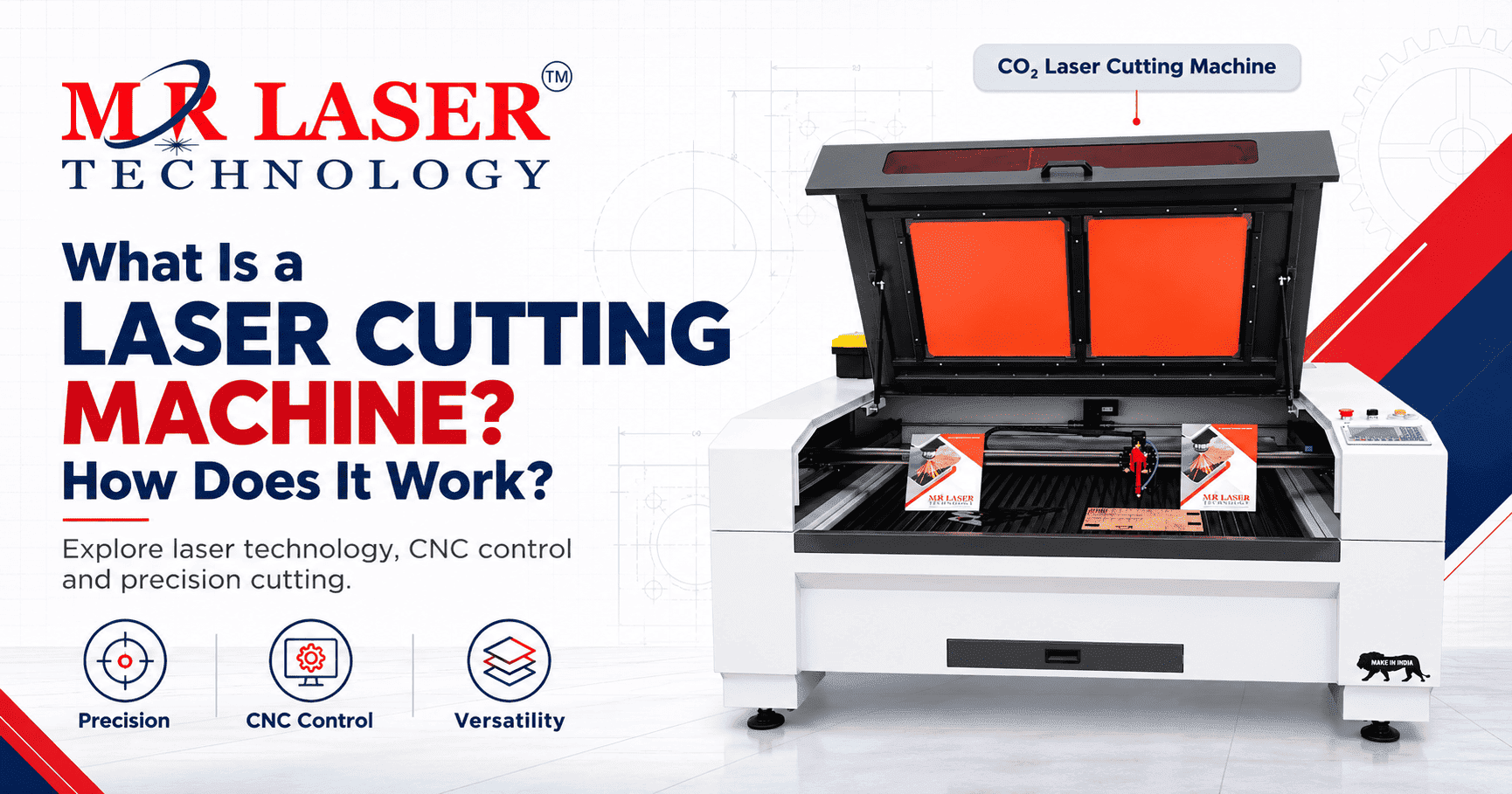
What Is a Laser Cutting Machine and How Does It Work?
In the realm of modern manufacturing and fabrication, precision, speed, and versatility are paramount. Laser cutting machines have emerged as transformative tools, enabling businesses to achieve intricate designs and high-quality finishes with unparalleled efficiency. This guide delves into what a laser cutting machine is, how it operates, and the myriad benefits it brings to various industries.
Understanding Laser Cutting Technology
A laser cutting machine is an advanced piece of equipment that utilizes a high-power, focused laser beam to precisely cut through a wide range of materials. This technology has revolutionized industrial processes, offering a level of accuracy and control that traditional cutting methods often cannot match. At its core, laser cutting involves directing a concentrated beam of light, generated by a laser, onto the surface of the material to be cut. The intense energy of the laser beam heats the material to its melting or vaporization point. Simultaneously, a high-pressure assist gas is often used to blow away the molten or vaporized material, leaving behind a clean, precise cut edge.
The process is typically controlled by computer numerical control (CNC) systems, which allow for intricate patterns and complex shapes to be programmed and executed with exceptional repeatability. This precision makes laser cutting ideal for applications requiring tight tolerances and detailed work, from intricate metal art to essential industrial components.
How Does a Laser Cutting Machine Work?
The operation of a laser cutting machine involves several key components working in harmony:
- Laser Generator: This is the source of the laser beam. The two primary types used in industrial settings are CO2 lasers and Fiber lasers. CO2 lasers are versatile and can cut both non-metals and metals, while Fiber lasers excel in cutting metals with high speed and efficiency.
- Beam Delivery System: Mirrors and lenses guide the laser beam from the generator to the cutting head. The beam is focused to a very small spot size, concentrating its energy.
- Cutting Head: This component houses the focusing lens and the nozzle through which the assist gas is delivered. It precisely controls the distance between the nozzle and the material surface.
- Assist Gas: Gases like oxygen, nitrogen, or compressed air are used. Oxygen aids in cutting carbon steel by accelerating the burning process. Nitrogen is used for stainless steel and aluminum to prevent oxidation and ensure a clean, smooth edge. Compressed air can be a cost-effective option for some materials.
- CNC Controller: This is the brain of the operation. It interprets design files (like DXF, PLT, AI) and directs the movement of the cutting head and the laser's power output to create the desired cut.
The laser beam, focused to a tiny point, intensely heats the material. This localized heating causes the material to melt, burn, or vaporize. The assist gas then expels the molten or vaporized material from the kerf (the width of the cut), preventing re-solidification and ensuring a clean finish. The CNC system guides the cutting head along the programmed path, allowing for complex geometries and high-precision cuts.
Buyer Insight: Precision & Automation
When evaluating laser cutting machines, look for capabilities that offer high precision, often measured by repeatability and accuracy (e.g., ±0.01mm). The integration of CNC and automated loading/unloading systems is crucial for achieving efficient, unmanned operations, especially for repetitive tasks or high-volume production. These features significantly reduce labor costs and increase throughput.
Applications and Use Cases
Laser cutting machines are incredibly versatile and find applications across a wide spectrum of industries:
Automotive
Cutting intricate parts for car bodies, interior components, and exhaust systems.
Aerospace
Fabricating lightweight, high-strength components for aircraft with extreme precision.
Electronics
Manufacturing precise components for electronic devices, circuit boards, and casings.
Textiles and Fashion
Cutting intricate patterns on fabrics, leather, and synthetic materials.
Signage and Decor
Creating custom signs, decorative panels, and intricate artwork from various materials.
Woodworking and Furniture
Cutting and engraving designs on wood, plywood, MDF, and other wood-based materials.
Key Benefits of Using Laser Cutting Machines
Adopting laser cutting technology offers numerous advantages for businesses:
- High Precision and Accuracy: Capable of cuts with very tight tolerances (e.g., ±0.01mm), ensuring parts meet exact specifications.
- Versatility: Can process a wide array of materials including metals (mild steel, stainless steel, aluminum), plastics, wood, acrylic, leather, and more.
- Exceptional Speed: Offers faster cutting speeds compared to many traditional methods, increasing production throughput.
- Clean Cut Edges: Produces smooth, precise edges that often require minimal or no post-processing.
- Material Savings: The narrow kerf width allows for nesting parts closely together, reducing material waste.
- Non-Contact Process: The laser beam cuts without physical contact, minimizing material distortion and wear on cutting tools.
- Automation Potential: Easily integrated with CNC systems and automation for efficient, unattended operation.
Choosing the Right Laser Cutting Machine: A Buyer's Guide
Selecting the appropriate laser cutting machine is crucial for optimizing your manufacturing processes. Consider these factors:
Material Type and Thickness
Different lasers are suited for different materials. Fiber lasers are generally preferred for metals, while CO2 lasers are excellent for non-metals and thinner metals. The thickness of the material will dictate the required laser power.
Precision Requirements
For applications demanding extremely high accuracy, look for machines with robust construction and advanced CNC control systems that offer high repeatability and minimal positional error.
Production Volume and Speed
If high-volume production is a priority, consider machines with faster cutting speeds, efficient assist gas systems, and automated loading/unloading capabilities.
Type of Cuts and Operations
Determine if you need capabilities beyond simple cutting, such as engraving, etching, punching, or grooving. Some machines can perform multiple operations in a single setup.
Software Compatibility
Ensure the machine's software supports your existing design file formats (e.g., PLT, DXF, AI) and offers user-friendly operation.
After-Sales Support and Service
Reliable after-sales service, technical support, and readily available spare parts are vital for minimizing downtime.
MR LASER TECHNOLOGY: Your Partner in Laser Solutions
MR LASER TECHNOLOGY, based in Ahmedabad, Gujarat, India, specializes in manufacturing high-quality laser marking machines, laser cutting machines, and laser welding machines. With over 8 years of industry experience and a portfolio of over 1200 completed projects, they are committed to delivering cutting-edge automation solutions tailored to your specific needs.
They offer a range of specialized laser cutting machines, including CO2 laser cutting and engraving machines for non-metals like wood and acrylic, and high-performance fiber laser cutting machines designed for precision metal fabrication. Their solutions boast high precision technology with accuracies up to ±0.01mm, ensuring your components meet the most demanding standards. MR LASER TECHNOLOGY focuses on customized solutions, working closely with clients to design machines that meet unique requirements for material types and applications. Their commitment extends to providing reliable after-sales service and ensuring timely delivery of quality products.
Frequently Asked Questions (FAQ)
What materials can a laser cutting machine process?
Laser cutting machines can process a wide variety of materials, including metals like mild steel, stainless steel, aluminum, brass, and copper, as well as non-metals such as acrylic, wood, bamboo, paper, leather, and crystal, depending on the type of laser and machine configuration.
What is the difference between CO2 and Fiber laser cutting machines?
CO2 lasers are versatile for both metal and non-metal cutting and engraving, often favored for non-metals and thinner metals. Fiber lasers are highly efficient for cutting metals, offering faster speeds and better energy efficiency for a wide range of metal types and thicknesses.
How does the assist gas affect the cutting process?
The assist gas helps to eject molten or vaporized material from the cut, cools the material, and can influence the cut edge quality. Oxygen is used for mild steel to enhance cutting speed, while nitrogen is used for stainless steel and aluminum to achieve a clean, oxide-free finish.
What does CNC control mean in laser cutting?
CNC (Computer Numerical Control) means the machine's movements and laser parameters are precisely controlled by a computer program. This allows for intricate designs, high repeatability, and automated operation based on digital design files.
Can laser cutting machines engrave as well as cut?
Yes, many laser cutting machines, particularly CO2 laser machines, are capable of both cutting and engraving. The depth of the engraving can be controlled by adjusting the laser power and speed.
Ready to Enhance Your Fabrication Capabilities?
Discover how MR LASER TECHNOLOGY's advanced laser cutting machines can transform your production processes. With a focus on precision, customization, and quality, we offer solutions to meet your unique manufacturing challenges. Contact us today to discuss your requirements and find the ideal laser cutting machine for your business.
Explore Laser Solutions