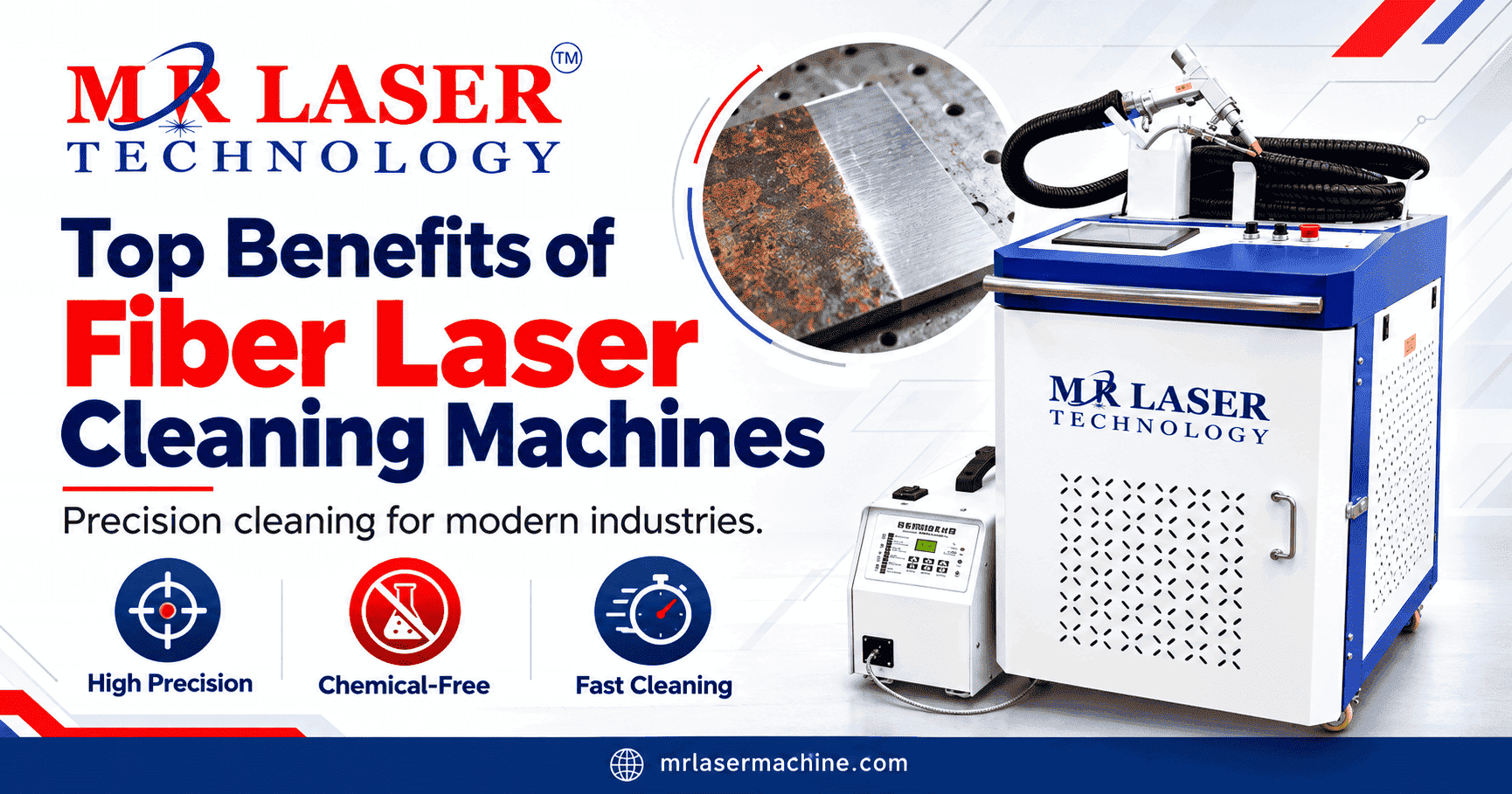
Top Benefits of Fiber Laser Cleaning Machines
In the realm of industrial maintenance and manufacturing, achieving pristine surfaces is paramount. Traditional cleaning methods often involve harsh chemicals, abrasive materials, or significant manual labor, leading to environmental concerns, material damage, and inefficiency. Fiber laser cleaning machines have emerged as a revolutionary solution, offering a precise, efficient, and eco-friendly alternative. This guide delves into the top benefits of fiber laser cleaning machines, exploring why they are becoming indispensable tools across various sectors.
Understanding Fiber Laser Cleaning Technology
Fiber laser cleaning is a non-contact, non-abrasive process that utilizes a high-intensity laser beam to vaporize or remove contaminants from a surface. The laser energy is absorbed by the contaminant layer (such as rust, paint, oil, or debris), causing it to rapidly heat up, expand, and sublimate or ablate away, leaving the underlying substrate largely unaffected. This advanced technology offers unparalleled control and effectiveness, making it suitable for delicate or high-value components.
The versatility of fiber laser cleaning machines stems from their ability to precisely control the laser parameters—including wavelength, power, pulse duration, and spot size. This allows for tailored cleaning solutions for a wide array of materials and contaminant types, from heavy industrial grime to sensitive electronic components.
The Top Benefits of Fiber Laser Cleaning Machines
Adopting fiber laser cleaning technology brings a multitude of advantages that directly impact operational efficiency, cost-effectiveness, and environmental responsibility. Here are the most significant benefits:
Unmatched Precision and Control
Fiber lasers offer exceptional precision, allowing for the removal of contaminants from very specific areas without damaging the base material. This makes them ideal for intricate parts, sensitive surfaces, and applications requiring high fidelity.
Environmentally Friendly Operation
Unlike many conventional cleaning methods, fiber laser cleaning requires no chemical solvents, reducing hazardous waste and environmental pollution. It's a clean technology that contributes to greener industrial practices.
High Efficiency and Speed
Laser cleaning can be significantly faster than manual or chemical cleaning processes. The non-contact nature eliminates the need for disassembly in many cases, and the process can be highly automated, boosting throughput and reducing labor costs.
Cost-Effectiveness in the Long Run
While the initial investment may be higher, the long-term savings are substantial. Reduced consumption of consumables (chemicals, abrasives), less waste disposal, minimal material damage, and increased productivity contribute to a lower total cost of ownership.
Non-Contact and Non-Abrasive
The absence of physical contact prevents wear and tear on the substrate, preserving surface integrity. This is crucial for delicate materials or components where surface finish is critical.
Reduced Risk of Damage
By avoiding physical contact and harsh chemicals, fiber laser cleaning minimizes the risk of scratching, etching, or altering the properties of the underlying material.
Diverse Applications Across Industries
The adaptability of fiber laser cleaning machines makes them suitable for a wide range of applications, revolutionizing how industries approach surface treatment and maintenance. Key application areas include:
Automotive Industry
Removal of paint, rust, and coatings from car bodies and parts, preparation for welding or bonding, cleaning of molds, and deburring.
Aerospace Sector
Cleaning critical components, removing oxidation from aircraft parts, surface preparation for coatings, and stripping old paint without compromising structural integrity.
Marine and Offshore
Descaling ship hulls, removing rust and old paint from structural components, and preparing surfaces for anti-fouling coatings.
Electronics Manufacturing
Precision cleaning of circuit boards, removing flux residues, cleaning semiconductor components, and preparing surfaces for soldering or coating.
General Manufacturing
Cleaning welding seams, removing grease and oil from machinery parts, preparing surfaces for painting or plating, and cleaning industrial molds.
Cultural Heritage Preservation
Gentle and precise removal of corrosion, graffiti, and grime from historical artifacts, statues, and buildings without causing damage.
Choosing the Right Fiber Laser Cleaning Machine
Selecting the appropriate fiber laser cleaning machine is crucial to maximize its benefits and ensure it meets your specific operational needs. Consider the following factors:
Key Features to Evaluate
- Laser Power: Higher power generally means faster cleaning but requires careful control to avoid substrate damage. Match power to the type and thickness of contaminants and the substrate material.
- Wavelength: Different wavelengths interact differently with materials. Common fiber laser wavelengths are effective for a broad range of contaminants.
- Beam Quality and Spot Size: A good beam quality ensures efficient energy delivery. The spot size influences the cleaning area and resolution. Adjustable spot sizes offer greater flexibility.
- Cooling System: Industrial lasers generate heat. An efficient cooling system (air or water) is vital for continuous operation and longevity.
- Control Interface: User-friendly controls and programmable settings allow for easy operation and customization for different tasks.
- Portability and Integration: Consider whether a handheld unit, a stationary system, or a robotic arm integration is most suitable for your workflow.
Buyer Insight: Always request sample cleaning tests with your specific materials and contaminants. This is the most reliable way to verify a machine’s effectiveness and ensure it won't damage your substrate before making a purchase decision.
Questions to Ask Before Buying
- What specific types of contaminants and substrates can this machine effectively clean?
- What is the typical cleaning speed for my application?
- What level of operator training is required?
- What are the safety requirements for operating this machine?
- What is the expected lifespan of the laser source and other key components?
- What kind of warranty and after-sales support is provided?
Experience Advanced Laser Cleaning Solutions
At MR LASER TECHNOLOGY, we are dedicated to providing cutting-edge fiber laser cleaning solutions designed to meet the evolving demands of modern industries. Our commitment is to deliver reliable, efficient, and high-performance machines that offer tangible benefits for your operations. We understand the critical importance of surface quality and the challenges associated with traditional cleaning methods.
Our range of fiber laser cleaning machines is engineered for versatility and ease of use, empowering businesses to enhance productivity, reduce operational costs, and embrace environmentally sound practices. We focus on delivering robust technology supported by expert knowledge to ensure you find the optimal solution for your unique cleaning requirements.
Frequently Asked Questions
Is fiber laser cleaning safe for all materials?
Fiber laser cleaning is generally safe for a wide range of materials, especially when parameters are correctly set. However, extremely sensitive or low-melting-point materials may require very precise control or may not be suitable for high-power laser cleaning. Always perform test runs on a small, inconspicuous area.
What is the difference between fiber laser cleaning and sandblasting?
Sandblasting is an abrasive method that uses particles to physically remove material, which can damage the substrate and create significant waste. Fiber laser cleaning is non-contact and non-abrasive, using light energy to vaporize contaminants, offering higher precision and less environmental impact.
Can fiber laser cleaning remove paint effectively?
Yes, fiber laser cleaning is highly effective at removing various types of paint, including powder coatings, enamels, and industrial paints, from metal surfaces. The laser ablates the paint layer without significantly affecting the underlying metal.
What safety precautions are necessary when operating a fiber laser cleaner?
Appropriate personal protective equipment (PPE), including laser safety glasses rated for the specific wavelength and power, is essential. The operating area should be clear of unauthorized personnel, and proper ventilation may be required depending on the material being cleaned.
Ready to Revolutionize Your Cleaning Process?
Embrace the future of industrial cleaning with MR LASER TECHNOLOGY's advanced fiber laser cleaning machines. Experience the benefits of precision, efficiency, and sustainability. Contact us today to discuss your specific needs and discover how our solutions can optimize your operations.
Request a Consultation