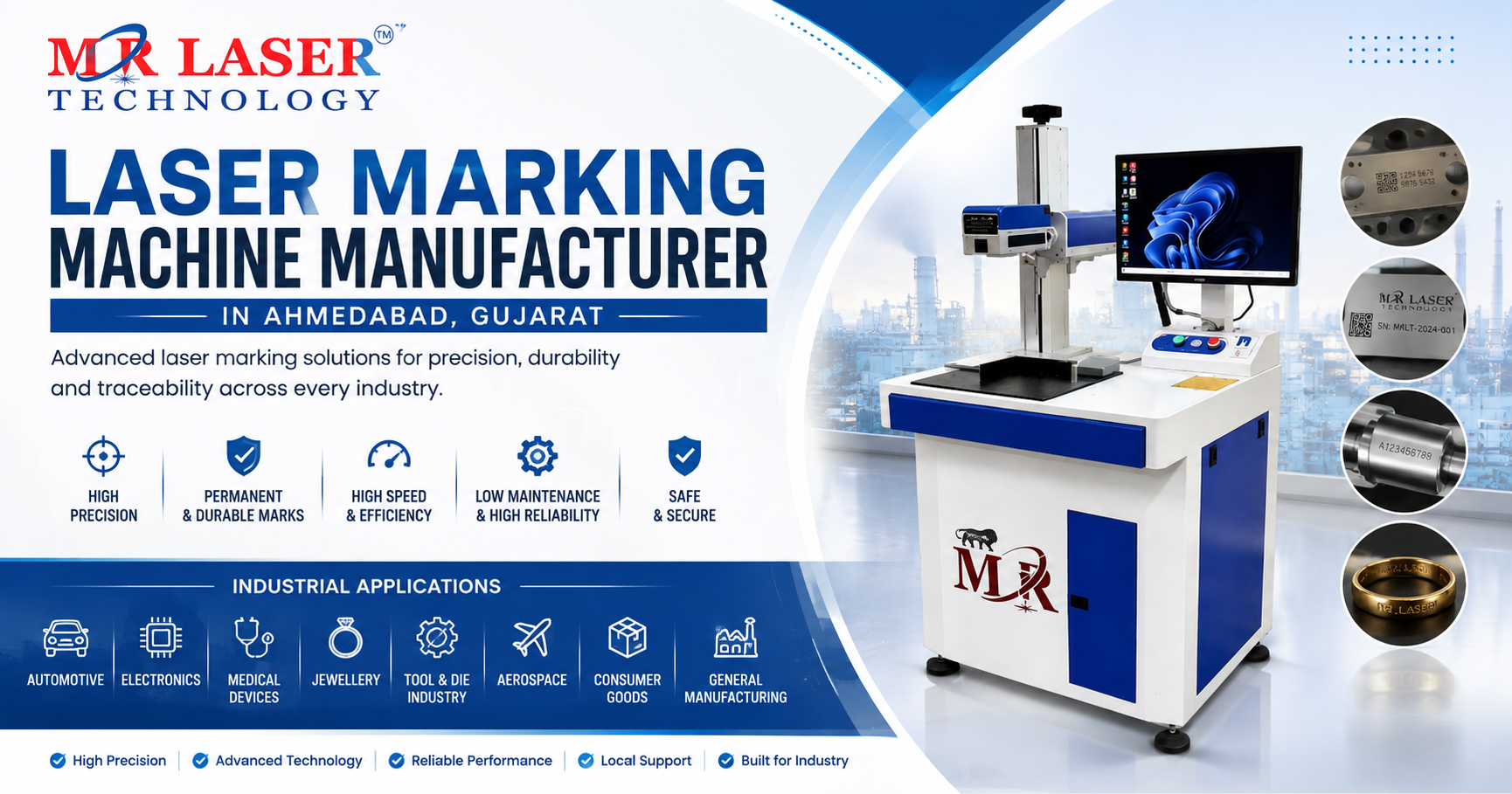
Laser Marking Machine Manufacturer
Discover essential insights for selecting a laser marking machine manufacturer in Ahmedabad. Learn about technology, applications, and what to look for in a rel
Why This Matters in Ahmedabad
Ahmedabad, a significant industrial hub in Gujarat, hosts a diverse range of manufacturing sectors, including automotive, engineering, jewellery, and electronics. These industries require robust and precise marking solutions for product identification, branding, and regulatory compliance. The demand for durable, high-contrast marks on various materials drives the need for advanced laser marking machines. Local manufacturers benefit from accessible expertise and support when partnering with a regional laser marking machine manufacturer.
What Is a Laser Marking Machine — Overview
A laser marking machine utilizes a focused beam of light to create permanent marks on a material's surface. This process can involve engraving, annealing, foaming, or color change, depending on the material and laser type. Unlike traditional methods, laser marking offers high precision, speed, and durability without physical contact, minimizing material stress. These machines are integral for creating serial numbers, barcodes, logos, and intricate designs on a wide array of substrates, from metals to plastics and organic materials.
Key Features and Technical Specifications
- High Precision Optics: Enables fine detail marking with accuracy often reaching ±0.01mm.
- Variable Power Output: Adjustable laser power (e.g., 20W to 100W fiber lasers) for diverse material processing.
- Galvanometer Scanning System: High-speed mirrors for rapid beam deflection and marking.
- Integrated Software Control: User-friendly interface for design, parameter setting, and job management.
- Robust Industrial Chassis: Designed for stability and longevity in demanding manufacturing environments.
- Air or Water Cooling Systems: Efficient thermal management for consistent performance during extended operation.
- Safety Interlocks and Enclosures: Ensures operator safety by containing laser radiation.
- Connectivity Options: USB, Ethernet, and I/O ports for integration with automation systems.
Industrial Applications and Use Cases
- Automotive Components: Marking VINs, part numbers, and compliance codes on engine parts, chassis, and electronic modules.
- Electronics Manufacturing: Engraving circuit boards, microchips, and plastic casings with serial numbers and logos.
- Medical Devices: Creating sterile, permanent marks on surgical instruments, implants, and pharmaceutical packaging.
- Jewellery and Precious Metals: Engraving intricate designs, hallmarks, and personalization on gold, silver, and platinum.
- Tool and Die Industry: Marking tools, molds, and industrial components for identification and traceability.
- Aerospace Sector: Applying durable marks on critical aircraft parts for quality control and regulatory adherence.
- Consumer Goods: Branding and serialization on plastics, glass, and various packaging materials.
- General Manufacturing: Marking metal tags, plates, and industrial parts for inventory management and branding.
How to Choose the Right Laser Marking Machine
Selecting an appropriate laser marking machine requires careful evaluation of several factors to ensure it meets specific production needs. A thorough assessment helps in making an informed investment that delivers long-term value.
- Material Compatibility: Verify the laser type (fiber, UV, CO2) is suitable for the materials you intend to mark.
- Marking Speed and Depth: Assess the required production throughput and the desired permanence of the mark.
- Work Area and Part Size: Consider the dimensions of the parts to be marked and the machine's available working envelope.
- Integration Capabilities: Evaluate how easily the machine can be integrated into existing production lines or automated systems.
- Supplier's Technical Expertise: Look for a manufacturer with a proven track record in laser technology and application knowledge.
- Certifications and Standards: Ensure the machine complies with relevant industrial safety and quality standards like ISO and CE.
- After-Sales Support: Confirm the availability of installation, training, maintenance, and spare parts support.
- Customization Options: Determine if the manufacturer can tailor the machine to unique operational requirements.
Quality Standards and Compliance
Adherence to quality standards is paramount when sourcing industrial machinery. Buyers should verify that a laser marking machine manufacturer follows established international and national norms. This includes ISO 9001 for quality management systems and CE certification, which indicates conformity with health, safety, and environmental protection standards for products sold within the European Economic Area. For specific applications, compliance with industry-specific standards, such as those for medical devices or aerospace components, may also be necessary. Checking these certifications ensures the machine is built to reliable specifications and operates safely within an industrial setting.
Why Company Experience and Capability Matters
The longevity and performance of a laser marking machine are directly linked to the manufacturer's experience and technical capabilities. MR Laser Technology, with over 8 years of experience in laser machine manufacturing, understands the nuances of precision engineering. Our team focuses on delivering solutions that meet specific industrial demands, from initial requirement understanding to final installation. We emphasize a meticulous manufacturing process, rigorous quality testing, and the ability to customize machines for diverse material types and applications. This approach ensures that each machine, whether a desktop fiber laser marker or a UV laser system, provides consistent performance and reliability, supported by a dedicated technical team and comprehensive after-sales service across India.
Installation, Maintenance and Care Tips
Proper installation and ongoing maintenance are crucial for maximizing the lifespan and efficiency of a laser marking machine. Following manufacturer guidelines helps prevent downtime and ensures consistent marking quality.
- Professional Installation: Always opt for installation by certified technicians to ensure correct setup and calibration.
- Operator Training: Provide thorough training for all operators on machine operation, safety protocols, and basic troubleshooting.
- Regular Cleaning: Keep the optical components, such as lenses and mirrors, clean from dust and debris using appropriate cleaning solutions and cloths.
- Cooling System Checks: Regularly inspect the cooling system (air or water) to ensure it functions optimally and prevents overheating.
- Software Updates: Keep the machine's operating software updated to benefit from performance enhancements and new features.
- Preventive Maintenance Schedule: Adhere to a preventive maintenance schedule recommended by the manufacturer, including checks of electrical connections and mechanical parts.
- Environmental Control: Maintain a stable operating environment, controlling temperature and humidity to protect sensitive electronic components.
FREQUENTLY ASKED QUESTIONS
Laser marking machines are versatile and can mark a wide range of materials. This includes various metals like stainless steel, aluminum, brass, and titanium, as well as plastics, ceramics, glass, wood, leather, and certain organic materials. The specific material compatibility depends on the type of laser source used, such as fiber, UV, or CO2.
Fiber laser marking machines are primarily used for marking metals and some plastics, offering high precision and speed with excellent beam quality. CO2 laser marking machines, on the other hand, are ideal for non-metal materials like wood, acrylic, glass, leather, and certain plastics, providing efficient marking and engraving on these surfaces.
The lifespan of a laser marking machine largely depends on its components, particularly the laser source. Fiber laser sources often have a long operational life, typically exceeding 100,000 hours. Regular maintenance, proper environmental conditions, and adherence to operating guidelines significantly contribute to the overall longevity and consistent performance of the machine.
Yes, many industrial laser marking machines are designed for seamless integration into existing automated production lines. They often come with various connectivity options and software interfaces that allow for communication with PLCs, robots, and other manufacturing equipment, enabling efficient in-line marking processes.
Operating a laser marking machine requires strict adherence to safety protocols. This includes wearing appropriate laser safety glasses, ensuring the machine has proper enclosures and interlocks to prevent accidental exposure, and following all manufacturer guidelines. Adequate ventilation is also important, especially when marking materials that may produce fumes.
Many reputable laser marking machine manufacturers offer customization options to meet specific industrial requirements. This can include tailoring the laser power, work area size, integration features, and specialized fixtures for unique part geometries. Discussing specific application needs with the manufacturer helps in configuring a machine that aligns precisely with production demands.
Conclusion
Choosing the right laser marking machine manufacturer in Ahmedabad involves a comprehensive understanding of technology, application needs, and supplier capabilities. Businesses must prioritize precision, reliability, and robust after-sales support to ensure a successful integration of laser marking solutions. By focusing on factors like material compatibility, quality standards, and the manufacturer's proven experience, companies can make a strategic investment that enhances production efficiency and product traceability for years to come.
Get In Touch
Mr Laser Technology