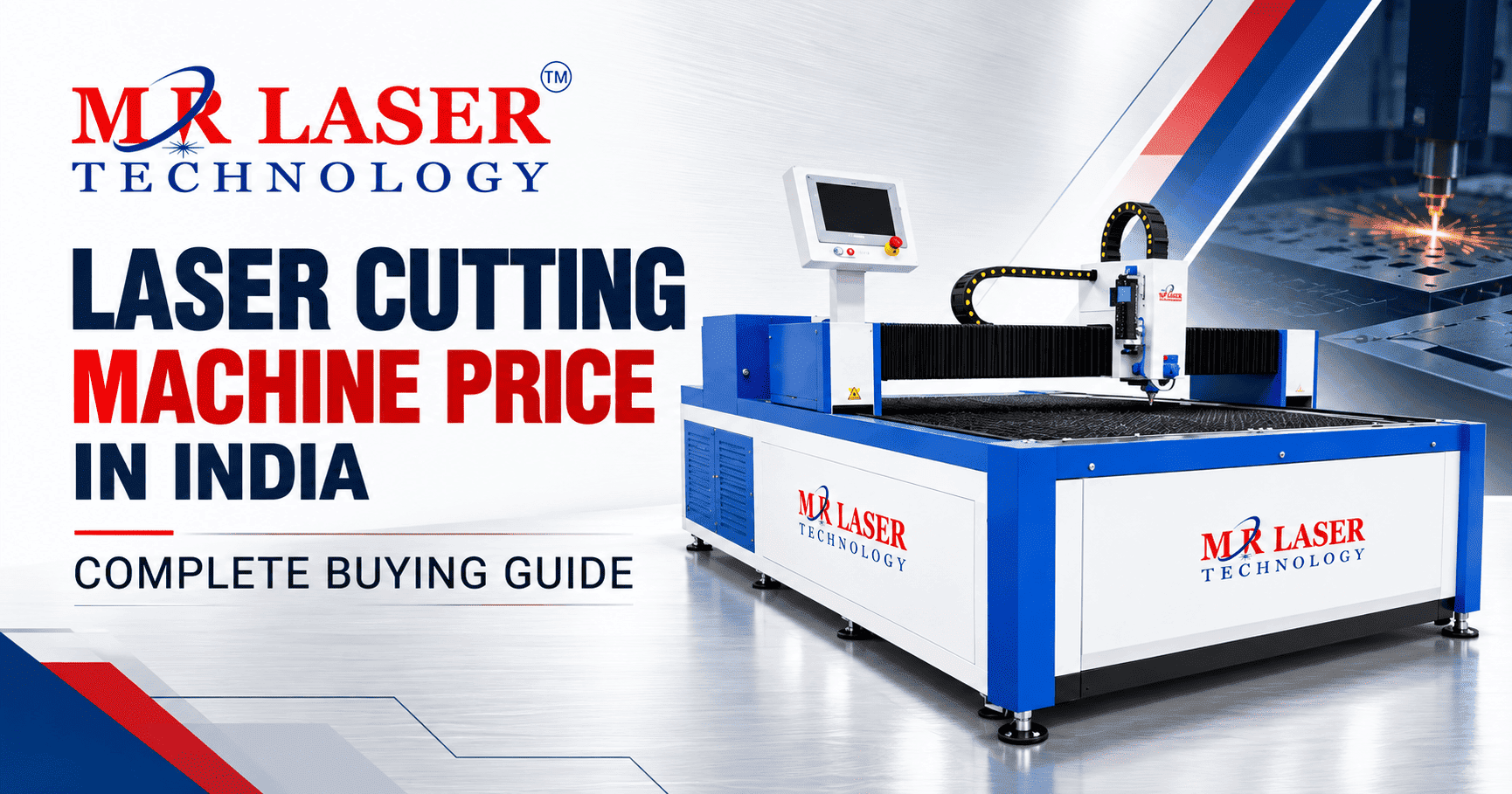
Laser Cutting Machine Price in India: Complete Buying Guide
Investing in a laser cutting machine is a significant step for any manufacturing or fabrication business in India. Understanding the "Laser Cutting Machine Price in India" involves more than just looking at a number; it requires a deep dive into the technology, capabilities, and specific needs of your operation. With advancements in laser technology, the market offers a diverse range of machines, each with its own pricing structure influenced by power, type, features, and application. This comprehensive guide aims to demystify the costs associated with laser cutting machines in India, helping you make a well-informed decision that aligns with your business objectives and budget.
Whether you're exploring options for cutting thin metals for intricate designs or robust materials for industrial applications, this guide will cover the essential aspects to consider. We'll explore the general price ranges, the factors that drive these costs, and what to look for when evaluating different laser cutting machine models available in the Indian market.
Understanding Laser Cutting Machine Costs in India
The price of a laser cutting machine in India is a dynamic figure, heavily dependent on a multitude of technical specifications and market factors. It's crucial to recognize that there isn't a single price point, but rather a spectrum that caters to various business needs and scales.
Factors Influencing Laser Cutting Machine Price
- Machine Type: The fundamental difference between CO2 and Fiber laser cutting machines significantly impacts the price. Fiber lasers, known for their efficiency and ability to cut metals more effectively, generally come with a higher initial investment compared to CO2 lasers, which are often more suited for non-metal materials or specific metal applications.
- Laser Power (kW): Higher laser power directly correlates with a higher price. Machines with lower power capacities (e.g., 1 kW to 6 kW) are more affordable and suitable for cutting thinner materials. Conversely, high-power machines (12 kW to 30 kW and above) are necessary for thicker metals and command a significantly higher cost.
- Cutting Thickness and Material: The ability to cut thicker materials or a wider range of metals will increase the machine's price. Machines designed for specialized materials or extreme thickness capabilities are priced at a premium.
- Features and Technology: Advanced features such as automation, IoT integration, advanced control systems, automatic loading/unloading systems, and multi-axis cutting capabilities add to the overall cost but also enhance productivity and precision.
- Brand and Manufacturer Reputation: Established manufacturers with a proven track record, robust R&D, and comprehensive after-sales support often have higher price points, reflecting the quality, reliability, and service assurance.
- Size and Work Area: Larger work areas and machine footprints naturally increase manufacturing costs and, consequently, the final price.
- Software and Control Systems: The sophistication of the accompanying software for design, operation, and control can also influence the price.
General Price Ranges in the Indian Market
While specific pricing for any manufacturer's equipment can vary, the general market trends in India provide a helpful benchmark:
- Entry-Level Machines: For businesses with more modest requirements, entry-level laser cutting machines, often lower-power CO2 or basic fiber models, might start in the range of approximately ₹2.5 Lakhs to ₹17.9 Lakhs. These are typically suitable for smaller workshops or less demanding tasks.
- Mid-Range Machines: Machines offering a balance of power, features, and versatility, often with higher kW ratings or advanced fiber laser technology, can range from around ₹40 Lakhs upwards. These are common for small to medium-sized fabrication businesses.
- High-End/Industrial Machines: Fully equipped, high-power (e.g., 12 kW to 30 kW and above) fiber laser cutting machines designed for high-volume production, thick material cutting, and advanced automation can range from ₹1 Crore and potentially higher.
Applications and Use Cases
Laser cutting machines are incredibly versatile, serving a wide array of industries and applications across India. The choice of machine often depends on the specific use case:
Advertising & Signage
Cutting acrylic, wood, and metals for custom signs, logos, and displays.
Automotive Industry
Fabricating precise metal components, dashboards, and interior parts.
Electronics Manufacturing
Cutting intricate stencils, enclosures, and components for electronic devices.
Jewelry Design
Creating delicate and complex patterns in precious metals for bespoke jewelry.
Metal Fabrication
Producing parts for construction, machinery, and general metalwork with high precision.
Aerospace Components
Cutting high-strength alloys and exotic materials for aircraft parts.
Key Benefits of Modern Laser Cutters
Investing in a quality laser cutting machine offers numerous advantages that can drive efficiency and profitability:
- High Precision and Accuracy: Achieve intricate cuts with minimal material waste, thanks to accuracies often within ±0.01mm.
- Versatility: Cut a wide range of materials, from thin sheets to thicker metals, depending on the machine's specifications.
- Speed and Efficiency: Significantly faster cutting speeds compared to traditional methods, boosting production output.
- Clean Edge Finish: Produce smooth, clean edges that often require little to no post-processing, saving time and resources.
- Reduced Material Waste: Optimized cutting paths and precision minimize scrap, leading to cost savings.
- Complex Geometries: Effortlessly cut complex shapes and intricate designs that would be difficult or impossible with other methods.
Your Buyer's Guide to Laser Cutting Machines in India
Selecting the right laser cutting machine requires careful consideration of your specific operational needs. Here’s a structured approach to guide your purchase:
1. Assess Your Material and Application Needs
What materials will you be cutting? (e.g., Mild steel, stainless steel, aluminum, brass, acrylic, wood, etc.)
What thickness will you be cutting? This is a critical factor in determining the required laser power.
What are your typical job volumes? High-volume production demands more robust and automated machines.
What level of precision is required? For intricate designs, higher precision machines are essential.
2. Understand Machine Types
- CO2 Laser Cutting Machines: Traditionally used for non-metals and thinner metals. They offer good value for certain applications.
- Fiber Laser Cutting Machines: Ideal for metal cutting, offering higher efficiency, speed, and lower operating costs for metals compared to CO2. They are the standard for most metal fabrication needs today.
- Tube/Pipe Laser Cutting Machines: Specialized machines for cutting profiles and tubes, essential for industries requiring cylindrical components.
3. Evaluate Key Technical Specifications
Laser Power (kW): Match power to material thickness and cutting speed requirements. For instance, cutting 1mm stainless steel might require 1-2 kW, while cutting 20mm steel could need 15-30 kW or more.
Work Area Size: Ensure the machine's bed size accommodates your standard sheet sizes.
Cutting Speed: Check manufacturer specifications for cutting speeds on relevant materials.
Accuracy and Repeatability: Look for specifications like ±0.01mm for high-precision work.
4. Consider Features and Automation
Automatic Loading/Unloading: Essential for high-throughput operations to minimize downtime.
Exchange Tables: Allow one sheet to be loaded/unloaded while another is being cut.
Dust Collection and Fume Extraction: Crucial for safety, environmental compliance, and maintaining machine performance.
Control Software: User-friendly and powerful software enhances operational efficiency.
5. Research the Manufacturer and Support
Experience and Track Record: Look for manufacturers with years of experience and a substantial number of installations.
After-Sales Support: Crucial for maintenance, troubleshooting, and training. Expert technical support can save significant downtime.
Quality Certifications: Standards like ISO 9001:2015 and CE compliance indicate a commitment to quality.
MR Laser Technology: Your Partner in Laser Cutting Solutions
Based in Ahmedabad, Gujarat, MR Laser Technology is an established manufacturer offering a comprehensive range of laser machines, including sophisticated cutting, marking, engraving, and welding solutions. With over 8 years of experience and a proven delivery record of over 1200 projects across India, they are well-positioned to serve diverse industrial needs.
MR Laser Technology specializes in high-precision machines, including CO2 laser cutting machines, fiber laser metal sheet cutting machines, and dedicated fiber laser pipe/tube cutting machines. Their commitment to quality is underscored by their ISO 9001:2015 certification and adherence to CE international quality standards, ensuring reliability and performance.
Businesses in industries such as advertising, aerospace, automotive, electronics, jewelry, and metal fabrication can benefit from MR Laser Technology's expertise. They emphasize high precision (±0.01mm accuracy) and provide expert technical support, ensuring clients receive optimal solutions and ongoing assistance for their laser cutting requirements.
Frequently Asked Questions (FAQ)
What is the typical price range for a laser cutting machine in India?
Laser cutting machine prices in India can vary significantly, typically starting from around ₹2.5 Lakhs for basic CO2 models and ranging up to ₹1 Crore or more for high-power, advanced fiber laser systems.
What is the difference between CO2 and Fiber laser cutting machines in terms of cost?
Fiber laser cutting machines are generally more expensive upfront than CO2 laser cutting machines. However, fiber lasers offer higher efficiency, faster cutting speeds for metals, and lower operating costs, which can lead to a better return on investment for metal fabrication applications.
How does laser power affect the price of a cutting machine?
Higher laser power (measured in kilowatts) directly increases the price of a machine. More powerful lasers are needed to cut thicker materials efficiently and at higher speeds.
Which industries commonly use laser cutting machines in India?
Key industries include metal fabrication, automotive, electronics, aerospace, advertising, signage, and jewelry manufacturing, among others.
What are the most important factors to consider when buying a laser cutting machine?
Key factors include the type of material and thickness to be cut, required laser power, work area size, desired precision, automation features, and the reliability and support offered by the manufacturer.
Ready to Find Your Ideal Laser Cutting Solution?
Explore the possibilities with MR Laser Technology. Whether you need a high-precision fiber laser for metal fabrication or a versatile CO2 laser for diverse applications, we offer quality-certified machines and expert support to meet your business needs. Discuss your specific requirements with our specialists today.
Request a Consultation