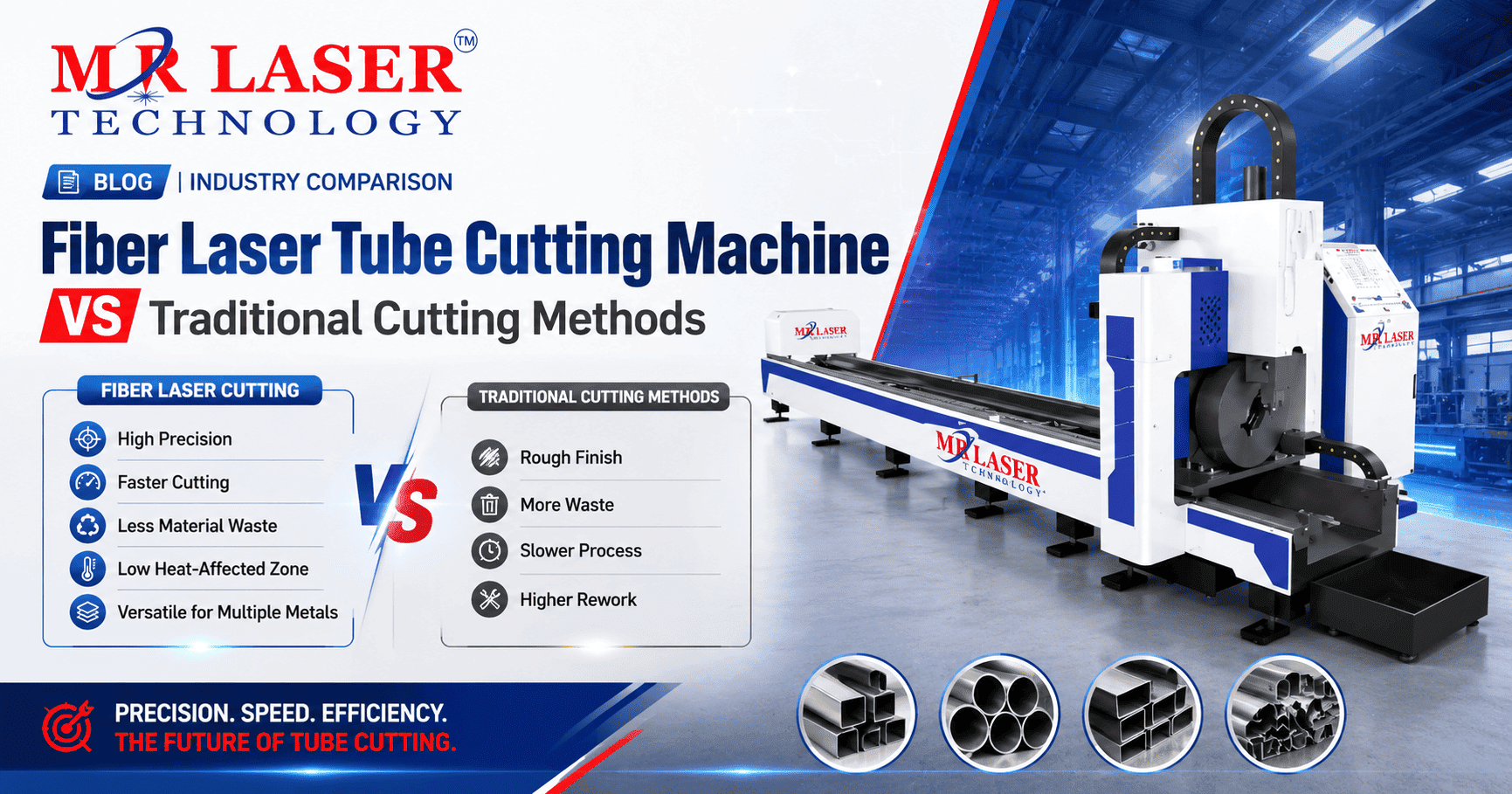
Fiber Laser Tube Cutting Machine vs Traditional Cutting Methods
In the evolving landscape of metal fabrication and manufacturing, the choice of cutting technology significantly impacts efficiency, precision, and overall cost-effectiveness. For businesses seeking to optimize their tube and pipe processing, understanding the capabilities of a Fiber Laser Tube Cutting Machine in comparison to traditional cutting methods is crucial. MR LASER TECHNOLOGY, a manufacturer based in Ahmedabad, Gujarat, offers advanced fiber laser solutions that are redefining industry standards.
This comparison delves into the core differences, highlighting why fiber laser technology represents a leap forward, addressing the limitations of older techniques and offering unparalleled advantages for a wide array of applications.
Understanding Fiber Laser Tube Cutting Technology
A Fiber Laser Tube Cutting Machine utilizes a highly concentrated laser beam, delivered through a fiber optic cable, to precisely cut through metal tubes and pipes. The laser source generates a beam of light that is focused onto the material surface, melting or vaporizing it. An assist gas, such as oxygen or nitrogen, is simultaneously applied to blow away the molten material, resulting in a clean, smooth cut edge.
Key components of a modern fiber laser tube cutting system include:
- Laser Source: The heart of the machine, often from reputable brands, determining power and cutting capability.
- Cutting Head: Designed specifically for tube cutting, it precisely focuses the laser beam and controls its interaction with the material.
- CNC Control System: Advanced computer numerical control manages all machine movements, ensuring complex shapes and patterns are cut accurately.
- Chuck and Feeding System: Automatically loads, grips, and rotates tubes of various diameters for continuous processing.
- Assist Gas System: Provides the necessary gases for optimal cutting performance across different materials and thicknesses.
- Nesting Software: Optimizes the placement of cuts on the material to minimize waste and maximize throughput.
The precision and speed offered by fiber laser technology make it an exceptionally versatile tool for modern manufacturing needs.
Traditional Cutting Methods: A Closer Look
Traditional methods for cutting tubes and pipes have been employed for decades, each with its own set of operational characteristics and limitations. These often include:
Comparison of Cutting Technologies
| Method | Process | Pros | Cons |
|---|---|---|---|
| Sawing | Mechanical blade cuts through material. | Low initial cost, simple operation. | Slow speed, rough cut edge, material loss (kerf), limited to straight cuts. |
| Abrasive Cutting | Uses an abrasive disc to grind through the material. | Can cut various metals, relatively fast for thick materials. | High dust and noise, rough finish, significant material loss. |
| Plasma Cutting | Uses a plasma torch to melt and cut metal. | Fast for thicker metals, cuts conductive materials. | Wider kerf, heat-affected zone (HAZ), lower precision than laser, dross formation. |
| Oxy-Fuel Cutting | Uses oxygen and fuel gas to cut ferrous metals. | Effective for thick mild steel, low equipment cost. | Limited to ferrous metals, large HAZ, slow, poor precision, significant dross. |
| Mechanical Shearing/Punching | Uses mechanical force to cut or punch holes. | Fast for simple shapes, low energy consumption. | Limited to specific shapes, can cause material deformation, not suitable for complex contours. |
While these methods have served the industry, they often fall short in areas of precision, speed, material utilization, and the ability to produce intricate designs, especially when dealing with complex tube profiles.
Fiber Laser Tube Cutting Machine vs Traditional: The Key Differences
The distinction between a fiber laser tube cutting machine and traditional methods is stark, particularly in performance and application flexibility. Traditional methods often involve physical contact with the material, leading to wear and tear, material waste, and limitations in cut quality. Fiber laser cutting, on the other hand, is a non-contact process.
Buyer Insight: Precision Matters
For components requiring tight tolerances, intricate patterns, or smooth finishes, traditional methods often necessitate secondary finishing operations, adding time and cost. Fiber laser technology minimizes or eliminates the need for such post-processing, directly impacting profitability.
Precision and Accuracy
Fiber lasers offer micron-level accuracy, enabling the cutting of highly complex geometries and intricate details that are impossible with most traditional methods. The non-contact nature of laser cutting ensures no mechanical stress is applied to the workpiece, preventing deformation, especially critical for thin-walled tubes.
Speed and Efficiency
The cutting speed of a fiber laser tube cutting machine is significantly higher than sawing, shearing, or even plasma cutting for many material thicknesses. This speed, combined with automated loading and unloading capabilities, leads to dramatically increased throughput and reduced cycle times.
Material Wastage
With a very narrow kerf (the width of the cut), fiber laser machines minimize material loss compared to thicker cuts from saws or plasma torches. Advanced nesting software further optimizes component layout on the tube, maximizing material utilization and reducing scrap.
Versatility and Material Range
Fiber laser technology can effectively cut a wide range of metals, including stainless steel, carbon steel, aluminum, brass, and copper, across various thicknesses. Traditional methods may be limited to specific material types or thicknesses, or require different tooling for each.
Heat-Affected Zone (HAZ)
Fiber lasers produce a much smaller HAZ compared to thermal cutting methods like plasma or oxy-fuel. This means less material distortion and minimal impact on the material's metallurgical properties near the cut edge, which is vital for structural integrity and subsequent welding or assembly.
Operational Costs and Maintenance
While the initial investment in a fiber laser tube cutting machine is higher, its operational costs are often lower in the long run. Lasers have fewer consumables than plasma or waterjet, and their maintenance requirements are generally less intensive, contributing to a lower total cost of ownership.
Key Benefits and Diverse Applications
The advantages offered by fiber laser tube cutting machines translate into tangible benefits across numerous industries. MR LASER TECHNOLOGY designs machines that empower businesses to achieve higher quality and productivity.
High Precision & Accuracy
Achieve intricate designs and tight tolerances consistently.
Exceptional Speed
Dramatically reduce cutting times and increase production output.
Reduced Waste
Minimal kerf width and optimized material usage save costs.
Versatile Material Cutting
Process a wide range of metals and alloys effectively.
Low Maintenance
Fewer moving parts and consumables mean less downtime.
Complex Geometries
Cut intricate shapes and patterns with ease.
Applications Across Industries
The versatility of fiber laser tube cutting machines makes them indispensable in sectors such as:
- Metal Fabrication: Creating components for furniture, architectural elements, and general metal structures.
- Automotive: Manufacturing exhaust systems, chassis components, and intricate parts for vehicle frames.
- Aerospace: Producing high-precision components for aircraft structures and systems where material integrity is paramount.
- Signage & Advertising: Cutting custom lettering, logos, and decorative elements for signage.
- Art & Crafts: Enabling the creation of intricate metal art pieces and decorative items.
- Medical Equipment: Manufacturing precise tubing and components for medical devices and apparatus.
Choosing the Right Fiber Laser Tube Cutting Machine
Selecting a fiber laser tube cutting machine involves careful consideration of several factors to ensure it meets your specific production needs and budget. MR LASER TECHNOLOGY, with its experience in manufacturing, emphasizes a client-centric approach to customization.
Key Selection Criteria:
- Material Type and Thickness: Determine the primary metals and thicknesses you will be cutting. This influences the required laser power and configuration.
- Tube Diameter and Length: Ensure the machine's chuck and bed can accommodate the range of tube sizes you handle.
- Precision Requirements: Assess the level of accuracy and edge quality needed for your components.
- Automation Level: Consider automatic loading/unloading systems to maximize efficiency for high-volume production.
- Software Capabilities: Look for intuitive control systems and advanced nesting software for optimal material usage and programming.
- After-Sales Support: Choose a manufacturer that provides reliable installation, training, and ongoing technical support.
Questions to Ask Before Buying:
Engaging with a manufacturer like MR LASER TECHNOLOGY involves asking critical questions:
What laser source brands do you use, and what is their warranty?
Understanding the reliability and support for the core laser source is crucial for long-term operation.
Can the machine handle the specific range of tube materials and dimensions I require?
Ensuring compatibility with your material and part requirements is fundamental.
What level of technical expertise is required to operate and maintain the machine?
Clarify training needs and operational complexity.
What kind of after-sales support, including installation and training, do you offer?
Good support is vital for a smooth transition and continuous operation.
How does your machine ensure safety during operation?
Safety features are paramount in any industrial machinery.
Can you provide customized solutions based on my unique application needs?
Assess the manufacturer's ability to tailor the machine to specific requirements.
By addressing these points, buyers can confidently select a machine that aligns with their production goals.
MR LASER TECHNOLOGY: Your Partner in Advanced Cutting Solutions
MR LASER TECHNOLOGY, based in Ahmedabad, Gujarat, is dedicated to providing high-quality laser machine solutions. With over 8 years of industry experience and a commitment to international quality standards, evidenced by ISO 9001:2015 certification and CE-certified products where applicable, MR LASER TECHNOLOGY stands as a reliable manufacturer.
The company specializes in a range of laser machines, including Fiber Laser Tube Cutting Machines, Fiber Laser Metal Sheet Cutting Machines, and CO2 Laser Cutting Machines. They understand the critical need for precision, speed, and reliability in modern manufacturing. MR LASER TECHNOLOGY prides itself on offering customized machine solutions tailored to specific client requirements, material types, and applications. This approach ensures that you receive a machine optimized for your unique production environment.
Beyond manufacturing, MR LASER TECHNOLOGY provides comprehensive after-sales support, including professional installation and thorough training, ensuring a seamless integration of their technology into your operations. Their focus on quality and customer satisfaction makes them a strong choice for businesses looking to upgrade their cutting capabilities.
Frequently Asked Questions
What makes fiber laser cutting superior to traditional methods for tubes?
Fiber laser cutting offers superior precision, speed, minimal material waste, and the ability to cut intricate designs without deformation, surpassing the limitations of traditional methods like sawing or plasma cutting.
Can a fiber laser tube cutting machine cut all types of metal tubes?
Yes, fiber laser technology is highly versatile and can cut a wide range of metals, including stainless steel, carbon steel, aluminum, brass, and copper, in various thicknesses.
What is the initial investment for a fiber laser tube cutting machine?
The initial investment can be significant compared to traditional methods. However, the long-term benefits in terms of increased productivity, reduced waste, and lower operational costs often provide a strong return on investment.
How much maintenance is required for a fiber laser tube cutting machine?
Fiber laser machines generally require less maintenance than traditional cutting systems due to fewer moving parts and consumables. Regular cleaning and system checks are typically sufficient.
What is the role of assist gas in fiber laser tube cutting?
Assist gas, such as oxygen or nitrogen, is used to eject molten material from the cut kerf, ensure a clean cut edge, and can influence the cutting speed and quality depending on the material and gas used.
Upgrade Your Manufacturing Capabilities Today
Choosing between a Fiber Laser Tube Cutting Machine and traditional methods is a decision that impacts your operational efficiency, product quality, and bottom line. The advanced capabilities of fiber laser technology offer clear advantages in precision, speed, versatility, and material utilization.
Ready to explore how a state-of-the-art Fiber Laser Tube Cutting Machine can transform your production?
MR LASER TECHNOLOGY, located in Ahmedabad, Gujarat, offers customized solutions and expert support to meet your specific needs. Contact us to discuss your requirements and discover the optimal fiber laser solution for your business.